After a water or fire loss, the building and its contents are two separate restoration problems, even though they're part of the same overall claim. Structural drying and fire/smoke remediation deal with the walls, floors and framing; contents restoration deals with what's actually inside — furniture, clothing, documents, electronics, keepsakes — and each of those categories responds to damage and cleaning differently, which is why treating 'everything in the house' as one undifferentiated cleanup step usually means avoidable losses.
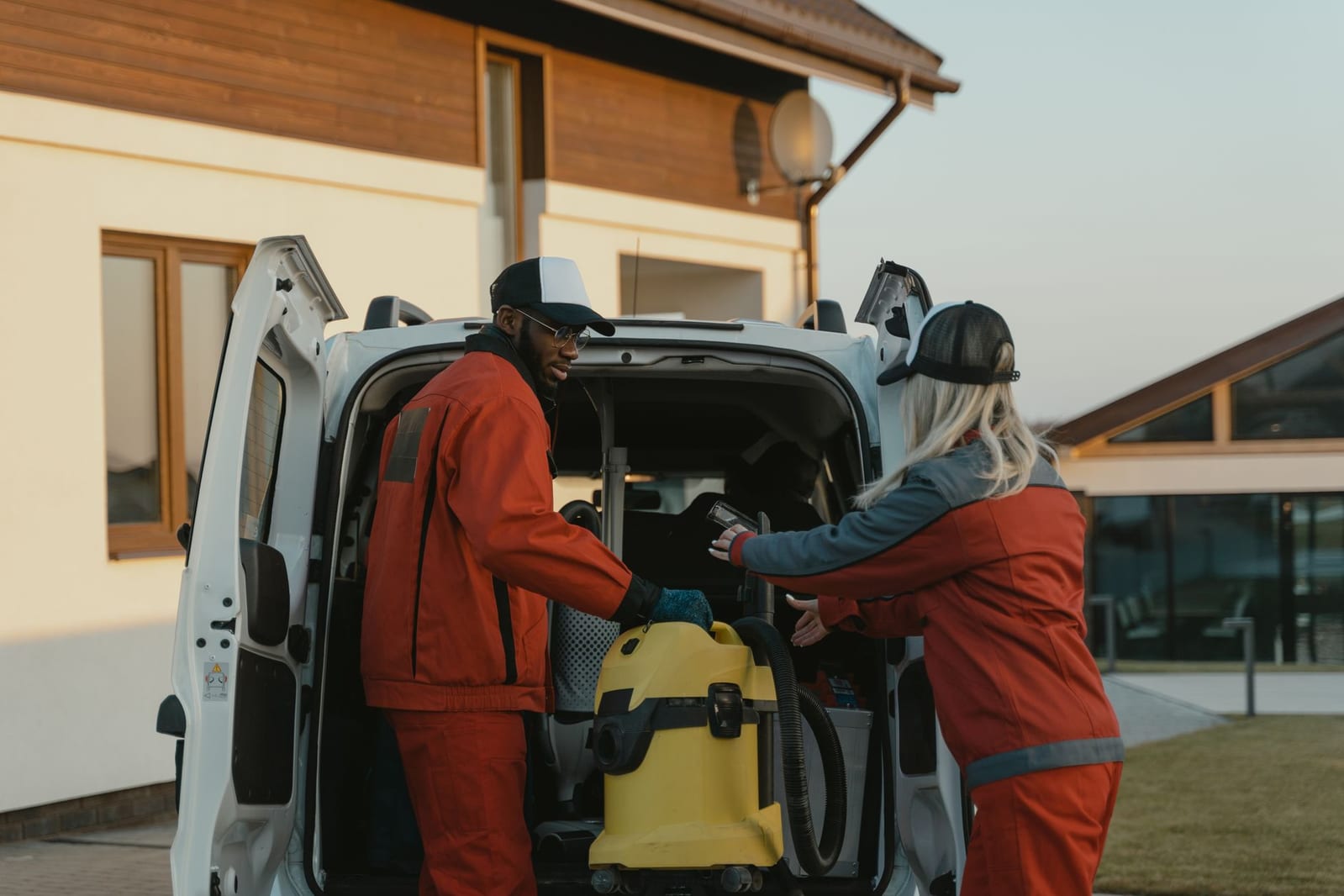
The process starts with a pack-out: everything affected is inventoried (often photographed item by item) and moved off-site to a dedicated cleaning facility, both so structural drying and repair work can proceed unobstructed and so contents get cleaning appropriate to the material rather than a rushed on-site wipe-down. Furniture gets cleaned and, where smoke or water has affected upholstery or wood finish, restored using furniture-specific methods. Documents — often the items people are most anxious about — can frequently be dried and stabilised even after water exposure if they're handled promptly, rather than assumed to be a total loss.
Electronics need a specific and honest process: water or smoke exposure doesn't always mean permanent damage, but powering on an affected device before it's been properly assessed and cleaned can cause damage that wasn't there before. We assess electronics before any power is applied and are candid about what's realistically salvageable versus what should go through an insurance replacement claim instead. Once cleaning is complete and the structure is ready, we handle pack-back — returning items to their original locations, ideally matching how the space was arranged before the loss.
Signs you have a contents restoration problem
- A water or fire loss has affected furniture, documents, electronics or other belongings
- You're unsure whether specific items (a water-exposed document, a smoke-affected electronic device) are salvageable
- Structural repair work needs the space cleared of contents before it can proceed
- You want an inventory record of affected items for an insurance claim
- Sentimental or hard-to-replace items were exposed to water, smoke or fire damage
Why Manhattan sees this
Smaller NYC apartments and older NJ homes often mean contents are more densely packed into affected rooms than in larger suburban homes, which makes accurate item-by-item inventory more important — it's easy to under-document a crowded room during a stressful loss.
Multi-unit buildings sometimes require a scheduled freight-elevator window for a pack-out, similar to a move — we coordinate that access the same way we would for any other building-managed move.
Document restoration matters disproportionately for households with immigration, co-op/condo ownership or long-tenancy paperwork that's difficult or slow to replace — we prioritise document stabilisation early in a water-loss response for that reason.