Quick answer
Most people think of a rat bite as a one-time medical event — treat the wound, get a tetanus shot, move on. But as a NYCHA lawsuit involving two children shows, rat bites in NYC can result in 'permanent injury' claims and serious landlord liability. The legal exposure from a single rat incident can far exceed the cost of professional extermination, making pest control a financial and legal necessity, not just a comfort issue.
The Hidden Legal Danger of a Rat Problem Nobody Talks About
When a NYC mom recently sued NYCHA claiming her two children were bitten and ‘permanently injured’ by rats in their public housing unit, the headlines focused on the horror of the attack. What got less attention: the legal framework that made the lawsuit possible — and what it means for every landlord, property manager, and tenant in New York City.
Here is the counterintuitive reality: a rat infestation is not just a public health problem; it is an undisclosed financial liability sitting inside your walls. The cost of professional pest control is almost always a fraction of the cost of a single personal injury claim. Yet building owners routinely defer rodent remediation until something goes wrong.
Why NYC Buildings Are Especially Vulnerable
New York City has one of the densest rat populations of any urban center in the world. The combination of aging infrastructure, underground transit tunnels, restaurant density, and high-volume residential waste creates near-ideal conditions for Norway rats (Rattus norvegicus) — the primary species responsible for rat bites in the city.
Public housing complexes like NYCHA properties concentrate these risks. Older building envelopes have more entry points, shared waste areas create persistent food sources, and high tenant density means more opportunity for human-rat contact.
What ‘Permanently Injured’ Actually Means in a Rat Bite Case
Rat bites are not always minor. Injuries can include:
- Deep puncture wounds that introduce bacteria directly into tissue
- Rat-bite fever, a systemic bacterial infection with a meaningful fatality rate if untreated
- Leptospirosis, which can cause kidney and liver damage
- Scarring, particularly significant for children whose skin heals differently than adults
- Psychological trauma, especially in young children who may develop lasting fears
In the NYCHA case, the claim of permanent injury signals that the alleged harm extended beyond an acute wound — which dramatically increases the legal stakes and potential damages.
Landlord Liability: How New York Law Creates the Exposure
New York City’s Housing Maintenance Code requires landlords to keep dwellings free of pests. Specifically, Section 27-2017 of the NYC Administrative Code obligates building owners to eradicate infestations. When a landlord receives notice of a rodent problem — through a tenant complaint, a 311 report, or an HPD inspection — and fails to act, that inaction can establish negligence in a personal injury lawsuit.
For NYCHA and other large property owners, the exposure compounds because:
- They manage thousands of units, so systemic infestation signals broader institutional failure
- Prior complaints create a documented record of notice
- Vulnerable populations — children, elderly residents — face greater harm and may be awarded higher damages
What Effective Rat Control in NYC Actually Requires
Over-the-counter snap traps and bait stations are insufficient for established urban rat colonies. Professional-grade remediation for a serious infestation typically involves:
- Inspection and harborage mapping — identifying entry points, burrow sites, and travel routes
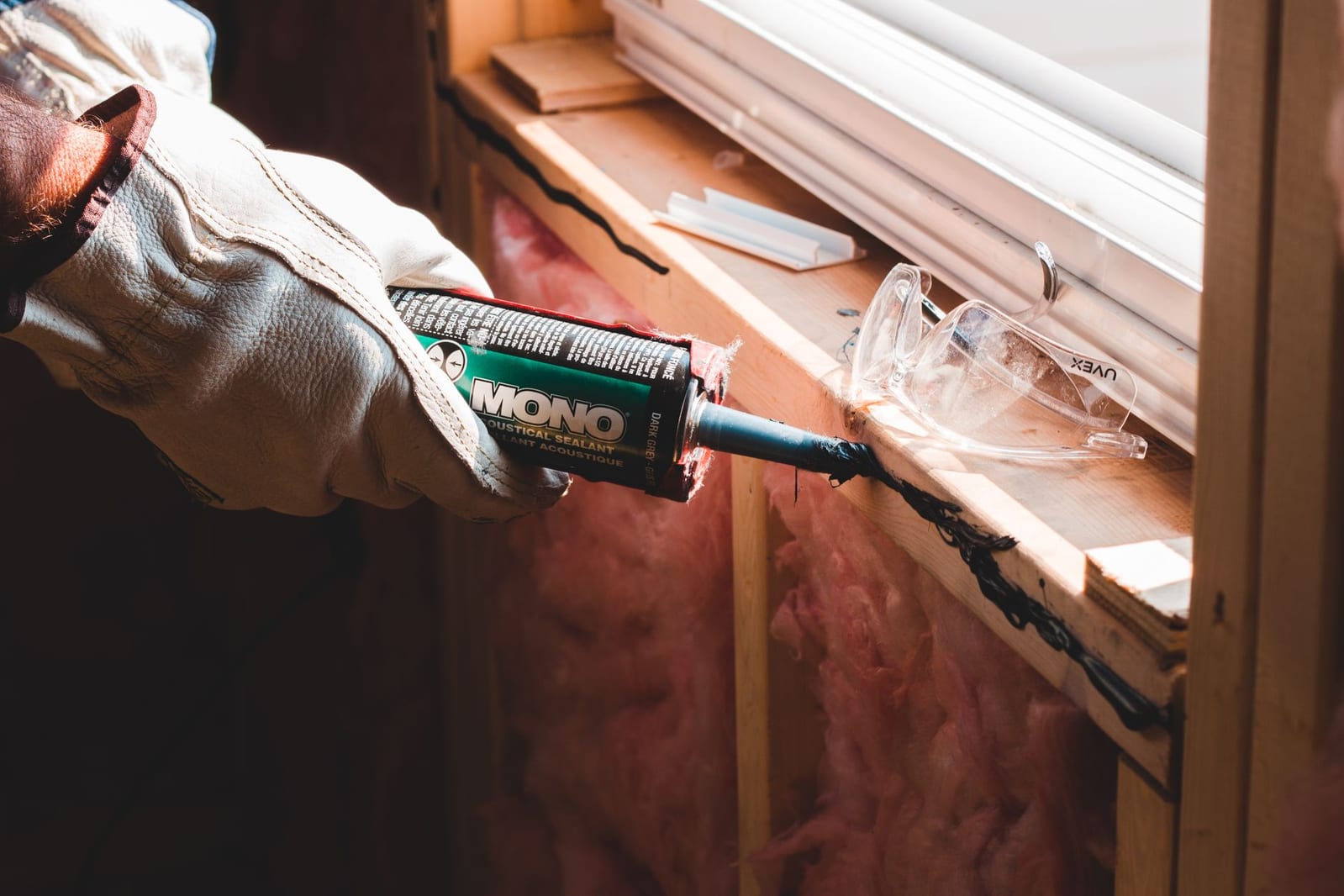
- Exclusion work — sealing gaps in foundations, pipe penetrations, and utility entries with steel wool, hardware cloth, or concrete
- Rodenticide baiting programs — using tamper-resistant bait stations with regulated formulations in appropriate locations
- Sanitation consultation — addressing waste management practices that sustain the population
- Follow-up monitoring — confirming population reduction and catching reinfestation early
A licensed pest management professional knows NYC-specific regulations around rodenticide use near water, in public areas, and in buildings with children — compliance that protects property owners legally as well as ecologically.
What Tenants Should Do Right Now
If you are a NYC tenant and you have seen evidence of rats:
- Report in writing to your landlord immediately — email creates a timestamp
- File a 311 complaint — this triggers an official HPD inspection and creates a city record
- Document everything — photos of droppings, gnaw marks, or entry points
- Do not wait for a bite — by the time a rat is brazen enough to bite a sleeping child, the infestation is severe
If a bite occurs, seek emergency medical care first, then document and report.
The Bottom Line
The NYCHA lawsuit is not an outlier — it is a foreseeable outcome of deferred pest management in a city with a serious rat problem. Whether you are a tenant protecting your family or a property owner managing liability, the calculus is the same: professional, proactive rodent control costs far less than the alternative.
Expert Exterminating is a licensed NYC pest control company with experience handling rodent infestations in residential buildings, co-ops, condos, and commercial properties across the five boroughs. If you have seen signs of rats — or want to make sure you never do — contact Expert Exterminating for a professional inspection. Don’t wait for a bite to take the problem seriously.